
Why Do Female Dogs Need Nappies?
Female Dog Nappies can protect furniture, carpets, and bedding when a female dog experiences heat, urinary leakage, or recovery-related discharge. The need is practical, not cosmetic. A dog in season may leave small red marks near doorways, while an older dog may wet her bed during sleep. Some dogs also need temporary support after veterinary treatment. Each situation requires a different approach.
Dr. Jerry Klein, Chief Veterinary Officer of the American Kennel Club, has said, “Dog diapers can be useful, but they must be changed frequently and fitted properly.” That advice matters. A damp nappy can quickly create rubbing, redness, or an unpleasant smell. Owners should check the skin around the tail and thighs several times daily. The nappy should feel secure, never tight. Two fingers should fit comfortably beneath the waistband.
A good nappy is only part of responsible care. It is not contraception, and it cannot prevent mating. Dogs still need supervision during heat cycles. Disposable and washable designs both have advantages. Washable nappies may reduce waste, but they require careful cleaning and drying. Disposable options can be convenient during travel or nighttime use. The right choice depends on the dog’s size, comfort, activity, and medical needs.
The answer is not perfectly tidy. Some dogs reject nappies immediately. Others tolerate them after short, calm introductions and a few treats. Owners should remove the nappy for toilet breaks and allow supervised, uncovered time. Persistent leakage, strong odor, pain, or skin changes deserve veterinary attention. A nappy supports hygiene. It never replaces diagnosis, patience, or daily observation.
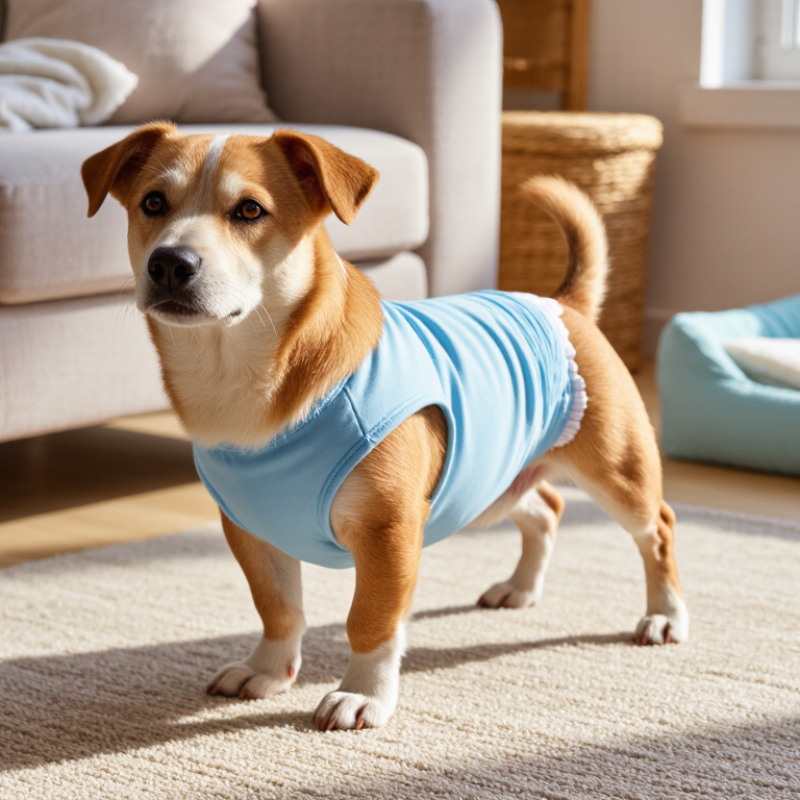
Female Dog Heat Cycles: 2–3 Weeks, Often Twice Yearly (AKC)
Why Do Female Dogs Need Nappies?
A female dog’s heat cycle commonly lasts two to three weeks. Many unspayed dogs experience it about twice yearly, although timing varies by age, breed, health, and individual biology. Some dogs show obvious bleeding, while others have only light spotting and increased licking. Swollen tissue and frequent urination can also appear. The cycle is not always predictable.
During this period, a dog nappy can protect rugs, bedding, and car seats from discharge. Choose a comfortable fit that allows normal movement. Change it regularly, especially after dampness or bowel movements. Check the skin each time for redness, rubbing, or a sour smell. Short breaks without the nappy help the area stay dry. Small details matter.
Nappies manage mess, not fertility. They cannot prevent mating or pregnancy, so outdoor walks still require a lead and close supervision. Male dogs may remain strongly interested, even when bleeding becomes lighter. One easy mistake is assuming the cycle has ended too soon. Veterinary guidance is valuable when bleeding seems heavy, lasts longer than expected, or comes with weakness, fever, pain, or unusual discharge. Heat cycles can feel routine, but every dog deserves individual observation.
Why Do Female Dogs Need Nappies? – Female Dog Heat Cycles: 2–3 Weeks, Often Twice Yearly
| Data Dimension | Typical Information | What Owners May Notice | How Nappies Can Help | Important Care Considerations |
|---|---|---|---|---|
| Heat-cycle frequency | Many female dogs come into heat approximately twice a year, although the interval varies by individual, breed, age, and health. | Heat periods may not occur at exactly six-month intervals. | Nappies can help manage discharge during the weeks when bleeding occurs. | An unusual cycle pattern should be discussed with a veterinarian. |
| Overall duration | A visible heat period commonly lasts about 2–3 weeks. | Discharge and behavioral changes may gradually increase and then decrease. | They provide temporary household protection for furniture, bedding, and floors. | A nappy does not shorten the heat cycle or prevent pregnancy. |
| Early stage: Proestrus | Often lasts roughly 7–10 days, but the length can vary. | The vulva may swell, and bloody discharge is common. Male dogs may show interest. | A nappy may contain light-to-moderate discharge indoors. | Keep the dog away from intact male dogs because mating may still become possible as the cycle progresses. |
| Fertile stage: Estrus | Often lasts roughly 5–10 days, with considerable individual variation. | Discharge may become lighter or more watery. The female may be receptive to mating. | Nappies can help with cleanliness but should never be treated as contraception. | Use secure supervision, leash walks, and physical separation from unneutered males. |
| Later stage: Diestrus | This stage follows estrus and may last several weeks, whether or not pregnancy occurred. | Interest in mating generally decreases, and visible discharge usually stops. | Nappy use is usually no longer needed once discharge has ended. | Continue observing appetite, energy, discharge, and general behavior. |
| Why use a nappy? | Nappies are mainly a hygiene aid for managing vaginal discharge inside the home. | Some dogs may leave spots on bedding, rugs, or upholstered furniture. | They can reduce mess and make cleaning easier when used correctly. | They do not replace cleaning, supervision, veterinary care, or pregnancy prevention. |
| Changing routine | The nappy should be checked frequently and changed whenever it is wet, soiled, or heavily stained. | A damp or dirty nappy may cause discomfort and skin irritation. | Regular changes help keep the coat and surrounding skin cleaner. | Gently clean and dry the area; avoid leaving a nappy on continuously without breaks. |
| Fit and comfort | The nappy should fit securely without restricting breathing, movement, urination, or defecation. | Some dogs may try to remove it or show signs of discomfort. | A proper fit reduces leakage and rubbing. | Check for redness, chafing, swelling, or trapped moisture and remove the nappy if irritation develops. |
| Hygiene and infection risk | Warm, moist conditions around the genital area can encourage skin irritation and bacterial growth. | Possible warning signs include strong odor, unusual-colored discharge, excessive licking, or painful urination. | Clean, dry, regularly changed nappies can support hygiene but cannot prevent every infection. | Contact a veterinarian promptly if discharge is pus-like, foul-smelling, unusually heavy, or accompanied by illness. |
| Pregnancy prevention | Female dogs can become pregnant during heat if they mate with an intact male. | Even brief or accidental contact may result in mating. | A nappy offers no reliable protection against mating or pregnancy. | Use strict separation, secure fencing, and supervised outdoor activity. |
| When to seek veterinary advice | Veterinary guidance is appropriate for abnormal bleeding, prolonged heat signs, severe lethargy, vomiting, fever, abdominal swelling, or marked thirst. | These signs may indicate a condition requiring prompt assessment. | Nappies should not be used to conceal or delay evaluation of symptoms. | Seek urgent veterinary care if the dog appears seriously unwell. |