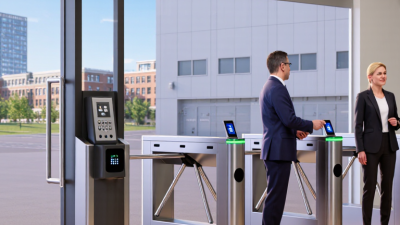
Global buyers are reassessing Access Systems as buildings become more connected, distributed, and identity-driven. Grand View Research’s 2024 market assessment indicates sustained growth in electronic access control through 2030. MarketsandMarkets reports similar expansion, although its estimates differ. Classification remains inconsistent across vendors.
That matters.
A cloud platform, biometric reader, smart lock, or turnstile may appear comparable in a sales brochure. They are not. Buyers should examine credential compatibility, offline operation, cybersecurity updates, integration with video systems, and regional data-storage requirements. HID’s 2024 State of Security and Identity Report also highlights the growing role of digital identity, mobile credentials, and converged security strategies. These findings suggest that hardware alone no longer defines system value.
Gartner security analyst Neil MacDonald’s observation remains relevant: “The new security perimeter is identity.” His point applies directly to modern Access Systems. A badge must identify the right person, at the right door, at the right time. That sounds simple. It is not.
A practical evaluation should include a live test at a busy entrance. Watch how quickly a credential is accepted. Disconnect the network. Check whether authorized users still enter. Review the audit trail afterward. Small failures become expensive across airports, factories, offices, and hospitals. Some market rankings also overemphasize product features while underexamining installation quality and long-term support. That weakness deserves attention. The best system is not always the most advanced one. It is the one that remains secure, maintainable, and usable across real operating conditions.
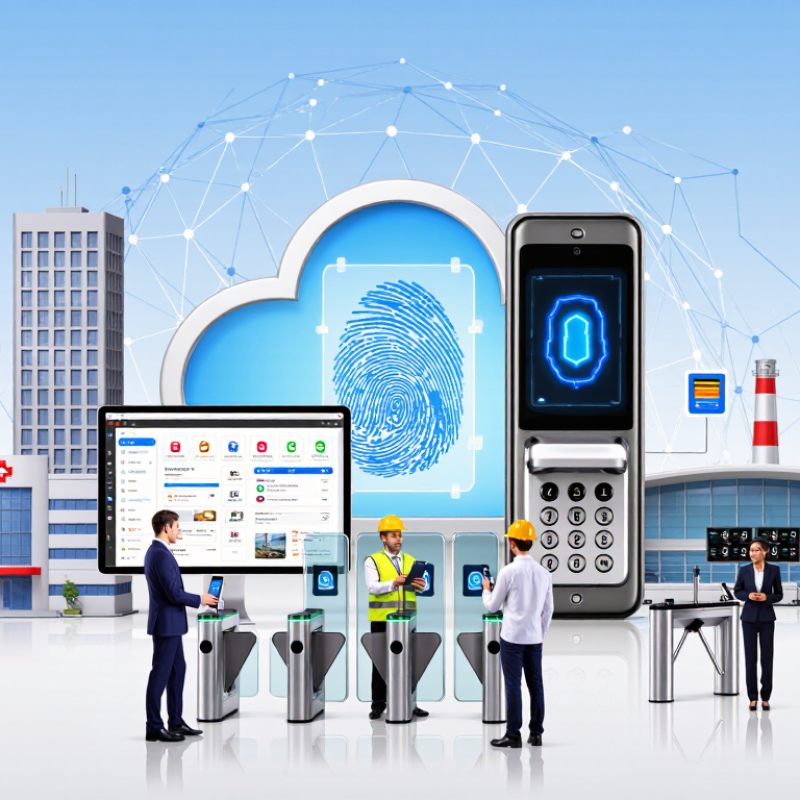
Access systems control who enters, when they enter, and which areas they can reach. RFID cards use radio signals to identify approved users quickly. They suit offices, warehouses, and sites with shared entry points. Biometrics verify physical traits, such as fingerprints or facial features. They reduce card sharing, but accuracy can change with lighting, gloves, or aging.
Mobile access uses a phone as a digital credential. It supports remote updates and can reduce plastic card usage. However, dead batteries and lost phones still create practical problems. Cloud-based systems store management functions online, enabling multi-site visibility and faster software updates. Buyers should examine encryption, administrator controls, data storage locations, and offline operation. A cloud model is not automatically safer.
Tips: Test each method in real conditions. Check doors during network outages. Ask how quickly credentials can be revoked. Review local privacy requirements before collecting biometric data. Require clear maintenance procedures and audit records. Small details matter.
No model is perfect. Field evaluations sometimes reveal weak signal coverage, confusing user interfaces, or delayed alerts. Global buyers should compare security performance, user convenience, installation needs, and long-term operating costs. Independent testing and documented supplier experience can support a more reliable decision.
The global access control market reached an estimated $10.3 billion in 2023, according to MarketsandMarkets. The number is significant. It reflects demand for safer buildings, connected workplaces, and controlled movement across industrial sites. However, buyers should examine the market definition. Some reports include software, readers, credentials, and installation services, while others measure hardware alone.
Top access systems now combine card credentials, mobile devices, biometric verification, and remote management. Each option fits different operating conditions. A warehouse may need rugged readers and fast door release. A laboratory may require stronger identity checks and detailed event records. Buyers should test performance near dust, moisture, temperature changes, and poor network coverage. Small delays matter during shift changes.
Integration deserves equal attention. An access system should exchange data reliably with visitor management, alarms, elevators, and workforce platforms. Security teams also need clear permission levels and audit trails. In practical evaluations, installation quality often affects reliability more than product specifications. That is easy to underestimate. Buyers should request lifecycle costs, replacement procedures, cybersecurity controls, and local technical support. Market growth does not guarantee a suitable purchase. The $10.3 billion estimate shows scale, not automatic value. Scope, environment, maintenance habits, and user behavior still require careful review.
NIST SP 800-63B defines three useful authentication assurance levels. AAL1 supports basic single-factor access. AAL2 requires two distinct factors, such as a password and a device code. AAL3 adds stronger protections, including phishing-resistant authentication and hardware-backed keys. These levels measure authentication strength, not total system security. Session controls, recovery processes, and administrator privileges still matter.
The need is measurable. ENISA’s Threat Landscape 2023 reported phishing as the initial access method in about 60% of observed incidents. Vulnerability exploitation followed at 18%. This supports stronger authentication for sensitive portals and remote administration. However, AAL3 is not automatically safer in every workplace. Poor enrollment, lost devices, or weak recovery can reduce its real protection. That part is often underestimated.
Tips: Map each user group to a risk level before choosing hardware. Test login speed on weak networks. Review account recovery with the same care as sign-in. Ask suppliers for independent test results, accessibility evidence, and clear incident records. The World Economic Forum’s Global Cybersecurity Outlook 2024 found that 90% of surveyed leaders saw geopolitical instability as likely to affect cyber resilience. Global buyers should therefore test regional support, offline procedures, and staff training. Perfection is unrealistic. Reassessment is essential.
Global buyers evaluating access systems should inspect compliance before comparing screens, sensors, or prices. An access platform may process names, badge numbers, fingerprints, photographs, and entry times. That makes security and privacy controls central, not decorative. ISO 27001 signals a managed information-security program, but certification alone proves little about every product feature. Ask for scope, certificate validity, risk treatment, incident procedures, and recent audit evidence. Keep records.
For European deployments, GDPR requires a clear purpose, lawful basis, limited retention, and transparent notices. Biometric access usually demands stricter review and stronger safeguards. Regional rules may require local hosting, cross-border transfer controls, breach reporting, or employee consultation. Do not accept “globally compliant” as a complete answer.
Request a data-flow diagram showing where credentials are collected, encrypted, stored, backed up, and deleted. In practice, deletion often fails in backups. This is a gap worth testing.
Tips: Run a small pilot in two regions. Test access logs at a locked door, during an internet outage, and after an employee leaves. Confirm who can export records and how quickly permissions disappear. Ask suppliers for subprocessor lists, penetration-test summaries, and support-access logs. Have privacy and security counsel review contracts before rollout. I would also document exceptions honestly. Perfect compliance claims can hide practical weaknesses.
Global buyers are watching cloud access systems closely. Grand View Research projects this market to grow at a 13.1% CAGR. That figure signals stronger demand for remote administration, subscription services, and connected security operations. It does not guarantee equal returns in every region.
In practical purchasing work, the real economics appear beyond the quoted software fee. A buyer should calculate five-year costs, including readers, credentials, installation, connectivity, support, training, and system migration. A cloud platform may reduce local hardware and maintenance, but recurring fees can reshape the budget. Costs still matter. Currency movements and regional data requirements may also affect the final price.
Experienced buyers test more than dashboard design. They review uptime records, encryption methods, administrator controls, audit logs, and documented incident procedures. They also confirm whether the system supports local privacy rules and clear data-retention policies. A pilot at one office can reveal weak mobile coverage, slow door response, or confusing user enrollment. Those details are easy to miss in a presentation.
The 13.1% projection offers useful market direction, not a purchasing decision. Some organizations may overestimate savings because they ignore integration work. Others may choose inexpensive hardware that creates replacement costs later. A careful evaluation compares total cost, operational risk, service quality, and future expansion. The strongest system is not always the most advanced one. It is the one staff can manage reliably on an ordinary Tuesday.
The chart shows an indexed growth scenario for cloud access systems based on a projected compound annual growth rate of 13.1%. The index starts at 100 in 2024; subsequent values are calculated using the stated CAGR and are not reported market-size figures. Global buyers should consider scalability, recurring software costs, cybersecurity, regional compliance, connectivity, and integration requirements when evaluating access systems.
Source basis: Grand View Research CAGR projection. Indexed values are calculated estimates for comparison.