How to Maximize Benefits of Modular Construction for Buyers?
In the evolving landscape of construction, Modular Construction is emerging as a game changer for buyers. This innovative approach enables efficient building, saving both time and resources. Buyers can expect quicker project completion due to off-site fabrication. However, understanding its intricacies is crucial for maximizing benefits.
The advantages of Modular Construction include reduced labor costs. By streamlining processes, projects can be completed in weeks instead of months. That said, challenges may arise during the assembly process. Buyers must be aware of potential setbacks related to logistics and coordination. Clear communication with manufacturers is essential.
Moreover, the quality of materials is often higher due to controlled factory conditions. Buyers should carefully evaluate suppliers to ensure top-notch constructions. As great as Modular Construction appears, there are still lessons to learn. Recognizing imperfection is part of the journey in this evolving market. Embracing these nuances will lead to more informed decisions, ultimately enhancing the buying experience.
Understanding Modular Construction and Its Advantages for Buyers
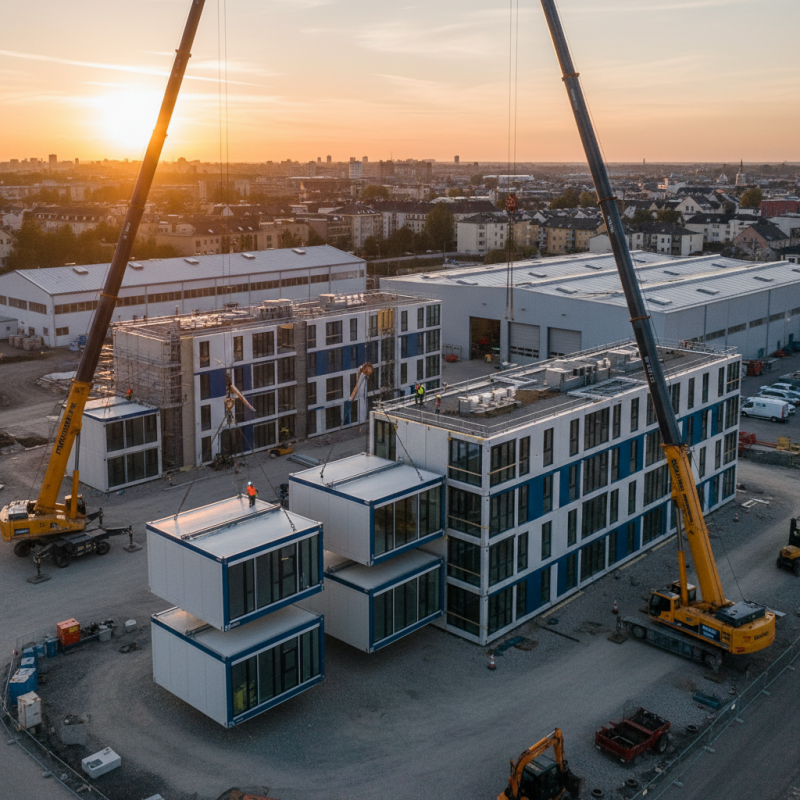
Modular construction is a modern approach that revolutionizes how buildings are designed and built. In this method, structures are constructed in sections or modules before being transported to the site. This process can significantly reduce construction time. Buyers can enjoy quicker occupancy, leading to faster returns on investment. Understanding this method helps buyers appreciate its potential.
Efficiency is a main advantage of modular construction. The method minimizes delays often caused by weather conditions and labor shortages. However, it’s essential to choose a reputable modular builder. Quality can vary across providers. Engage with knowledgeable professionals who can guide you through this process. Be vigilant about the design and materials used. This awareness ensures that your investment meets industry standards.
In choosing modular construction, buyers can encounter challenges. Site preparation and local building codes may complicate the process. It's crucial to be well-informed about these factors early on. Additionally, while modules are typically factory-built, ensuring they fit seamlessly together on-site requires careful planning. Being proactive in addressing these potential issues can help buyers maximize the benefits of this innovative construction method.
Key Factors to Consider When Choosing Modular Construction Solutions
When considering modular construction solutions, understanding key factors can significantly enhance the buyer's experience. One vital aspect is the design flexibility offered by modular construction. Buyers can customize layouts based on their specific needs. However, this process can sometimes lead to choices that may not be fully aligned with practical outcomes. It's essential to balance creativity with functionality.
Cost-effectiveness is another critical factor. Modular buildings often present savings on labor and materials. Yet, buyers should be cautious about initial quotes. Additional costs can emerge from site preparation or unforeseen modifications later. Therefore, detailed budgeting and planning are crucial to avoid financial surprises.
The quality of materials and craftsmanship also merits careful consideration. Buyers should inquire about the manufacturer’s reputation and inspect previous projects. It's worth noting that not all modular solutions are created equal. Often, perceived quality can differ, leading to eventual dissatisfaction if not thoroughly vetted. Engaging with experienced professionals can provide insights that may help in making informed decisions, ultimately maximizing the benefits of modular construction.
Best Practices for Engaging with Modular Construction Providers
Engaging with modular construction providers can be a transformative experience. It is crucial to establish clear communication from the start. Define your goals and expectations. This helps both parties understand project scope and limitations. Miscommunication can lead to misunderstandings and delays.
Research potential providers thoroughly. Look for reviews and case studies. Check their past projects and certifications. This step is often overlooked but is vital in assessing their expertise. A reliable provider should demonstrate transparency in their processes and timelines. This builds trust and makes collaboration smoother.
During engagement, be open to feedback. Modular construction often requires adjustments. Adaptability can enhance the outcome significantly. Regular check-ins with the provider can help maintain alignment on progress and challenges. Expect some bumps along the way. It’s essential to reassess and adapt strategies as needed. The journey can be complex, but informed engagement can yield significant rewards.
Strategies for Effective Project Planning in Modular Construction
Effective project planning is essential in modular construction. Start by understanding your project’s specific needs. Assess the site conditions early. Modular units can be affected by logistics and restrictions on-site. Evaluating these elements prevents costly delays and design changes.
Engaging with experienced professionals enhances planning success. Their insights can drive efficiency and align the project with best practices. Keep communication open among all stakeholders. Regular meetings can help identify potential issues before they escalate.
**Tips:** Always consider the modular unit's delivery time. Plan for possible site constraints that may affect installation. Also, be prepared to adjust your schedule based on unforeseen circumstances. Flexibility can be a great asset in navigating challenges. Document your lessons learned; this practice enhances future projects.
How to Maximize Benefits of Modular Construction for Buyers? - Strategies for Effective Project Planning in Modular Construction
| Strategy | Description | Benefits | Implementation Timing |
| Early Involvement of Stakeholders | Engage all parties during the design phase to ensure alignment. | Improved collaboration and reduced conflicts. | Initial Planning Stage |
| Site Preparation | Prepare the site in advance to accommodate modular units. | Minimized construction delays and enhanced efficiency. | Prior to Module Delivery |
| Utilization of Advanced Technology | Implement BIM and other tech for design and project tracking. | Enhanced accuracy and streamlined communication. | Throughout Project Lifecycle |
| Quality Control Protocols | Establish stringent quality checks during module fabrication. | Increased durability and reduced post-construction issues. | During Manufacturing |
| Sustainability Practices | Incorporate eco-friendly materials and practices. | Better environmental impact and cost savings in operations. | Design and Construction Phases |
Maximizing Cost Efficiency and Time Savings in Modular Projects
Modular construction stands out for its ability to enhance cost efficiency and time savings. Key reports indicate that modular methods can reduce project costs by 10-20%. This is largely due to streamlined processes and bulk material purchasing. Construction time can be shortened by as much as 30-50%, with modules built off-site while site preparation occurs simultaneously.
A recent survey revealed that 70% of construction professionals believe modular projects can help avoid delays. This is crucial in the current market, where project overruns can lead to significant financial loss. However, the adoption of modular methods isn't without challenges. Coordination between on-site and off-site teams can be complex. Miscommunication might lead to design discrepancies, affecting overall efficiency.
Buyers should also be aware of the potential hidden costs. While modular construction promises savings, initial investment can vary. Assessing local building codes and logistical considerations is essential. Ignoring these factors may negate the anticipated benefits. Prioritize thorough planning to leverage modular construction’s full potential.
Maximizing Cost Efficiency and Time Savings in Modular Projects