How to Choose the Best Security Bag for Your Needs?
In today's world, choosing the best Security Bag is essential for safeguarding your belongings. With various options on the market, it can be overwhelming to determine the right one for your needs. A security bag must offer both functionality and comfort, protecting items from theft and damage.
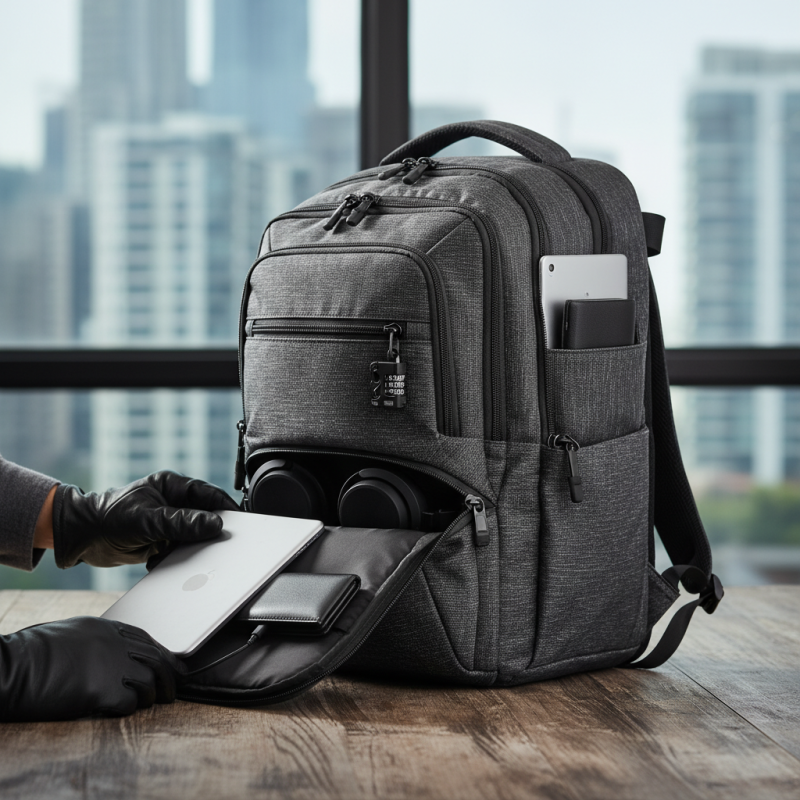
When selecting a security bag, consider what you carry daily. Think about dimensions and pockets suitable for your devices. Many bags feature anti-theft designs, including locking zippers and reinforced materials. These elements enhance your safety and peace of mind.
However, not all bags meet individual needs. Some may fall short in comfort or style. You may find a highly regarded brand, yet it lacks the features you require. It's crucial to review options that blend style with effectiveness, ensuring you make a wise investment. A well-chosen security bag enhances your life while keeping your belongings safe.
Understanding the Different Types of Security Bags Available
When choosing a security bag, understanding the various types is crucial. Security bags come in several designs, such as tamper-evident, anti-theft, and reinforced bags. Tamper-evident bags are ideal for transporting sensitive documents. According to a 2022 industry report, 75% of organizations use these bags to ensure the integrity of their contents.
Anti-theft bags are perfect for personal items. They include features like lockable zippers and RFID protection. Research indicates that nearly 30% of travelers have faced theft, emphasizing the need for such protective measures. These bags often combine durability with lightweight materials, making them practical for everyday use.
Reinforced bags are designed for heavy-duty use. Many security professionals recommend them for high-risk situations. However, these bags can sometimes be more cumbersome. Users may find them less convenient for everyday applications. Choosing the right bag means assessing both usability and security level. Balancing these factors is essential for finding a solution that works for you.
Assessing Your Specific Security Needs and Requirements
When selecting a security bag, it's crucial to assess your specific security needs. Different environments require different levels of protection. According to the Security Industry Association, 75% of thefts occur in settings where security is a lower priority. Understanding your requirements helps narrow down your options effectively.
Consider the primary use of your security bag. Are you securing sensitive documents for travel? Or perhaps protecting electronic devices in crowded places? Reports show that 60% of thefts in transit involve electronic devices. A bag designed for electronic equipment may feature reinforced compartments and anti-theft zippers. Identify the types of items you'll be carrying to choose a bag that meets those needs.
Don’t overlook personal comfort and usability. A security bag should be easy to carry and access. If it’s cumbersome, you might avoid using it. While top-tier security features are valuable, practical usability is equally important. If daily commuting poses security risks, a secure yet lightweight bag is essential. Reflect on your habits and adjust accordingly, as an ideal bag is one that seamlessly integrates into your lifestyle while providing adequate security.
Security Bag Features Assessment
This chart illustrates the assessment of various features important for selecting a security bag based on their graded importance. Consider durability and security features as the most critical components when making your choice.
Key Features to Look for in a Quality Security Bag
When selecting a security bag, several key features stand out as essential for effective use. Durability is critical. Whether for daily commutes or travel, materials should resist wear and tear. According to a recent industry report, nearly 70% of consumers prefer bags made from high-density nylon or reinforced polyester. These materials provide the necessary longevity.
Another significant feature is the locking mechanism. A reliable lock can deter theft significantly. Research shows that bags with built-in locks reduce theft incidents by up to 50%. Look for bags that offer anti-theft zippers and cut-proof straps. These features add layers of security, enhancing user confidence.
Pockets and organization are equally important. A well-structured interior allows for efficient packing and quick access to essentials. In fact, 55% of security bag users find organization features enhance their overall satisfaction. However, too many compartments can lead to confusion. Finding the right balance is essential. Choose a bag that simplifies access, yet provides enough organization to keep items secure.
Comparing Prices and Brands for the Best Value
When selecting a security bag, price and brand are critical. A recent market analysis from Grand View Research noted that the personal security bags sector is projected to reach $3 billion by 2027. This growth indicates increasing consumer awareness around personal safety and the demand for quality products. However, while brand recognition often leads to better perceived quality, it can also inflate prices.
Tips: Research multiple brands to find one that fits your budget. Don’t rush your decision. Sometimes, lesser-known brands offer comparable features at a lower price. For example, a reliable bag can range from $30 to $150, depending on materials and design. The proper material should be durable yet light, ensuring both protection and portability.
Online reviews can provide insights into both price and quality. An article published by Statista highlighted that 79% of consumers trust online reviews as much as personal recommendations. Review scores often reflect product reliability, so consider them while evaluating options. However, keep in mind that some reviews can be biased, requiring careful analysis. Don't forget to check your local stores; they may provide competitive pricing and the chance to test the bag's features firsthand before purchase.
Tips for Maintaining and Caring for Your Security Bag
Choosing the right security bag is just the beginning. Maintaining it is crucial for its effectiveness. Regular cleaning is essential. Use a damp cloth to wipe the exterior. This simple step helps prevent dirt buildup. Remember, your bag should look good as well as function properly. For deeper cleaning, refer to care instructions.
Adjusting straps and buckles is also important. Regular checks can prevent unexpected failures. Take a moment weekly to ensure everything is secure. Sometimes, we overlook these small tasks, thinking they're trivial. Yet, neglecting them can lead to bigger issues later on.
Inspect zippers and seams for wear. A small tear can grow quickly, compromising your bag's integrity. Repair any damage immediately. Waiting can lead to more significant problems. Reflect on your habits. Are you diligent about regular maintenance? Being proactive can extend the life of your security bag.